



Active Citizenship Reading Comprehension
This English 2 Bac reading passage follows a student council from a complaint to a trial solution. Look for the evidence that changes the council’s proposal and the limitation of its final results.
By the end of this lesson, you can
- Identify the main idea, sequence and evidence.
- Distinguish a finding from a claim that goes further than the evidence.
Un bon cours, ça se partage.
Reading passage · A safer exit
[1] At a secondary school in Meknès, students often waited at the main gate because the pavement outside was crowded. The student council received several complaints. Some members wanted to ask the school to open a second gate immediately. Others worried that this would require more staff. The council agreed to observe the problem first.
[2] For one week, pairs of volunteers counted how many students gathered near the gate at three different times. They also noted when delivery vans stopped beside the entrance. The largest crowd appeared right after the last lesson, when a van usually blocked part of the pavement. The volunteers were surprised to find that, even on busy days, the group became smaller within ten minutes.
[3] At the next meeting, the council presented the figures and suggested asking suppliers to deliver earlier. The deputy head agreed to test the change for two weeks. The school office phoned the drivers and put up a notice explaining why the entrance had to stay clear. The number of students waiting directly outside the gate fell on most days.
[4] The council’s final note described the result and pointed out a limitation. The trial took place during dry weather, so it could say little about what might happen when students needed shelter from rain. It recommended continuing the new delivery schedule and repeating the observations in winter. It also offered to share the counting sheet with the next council.
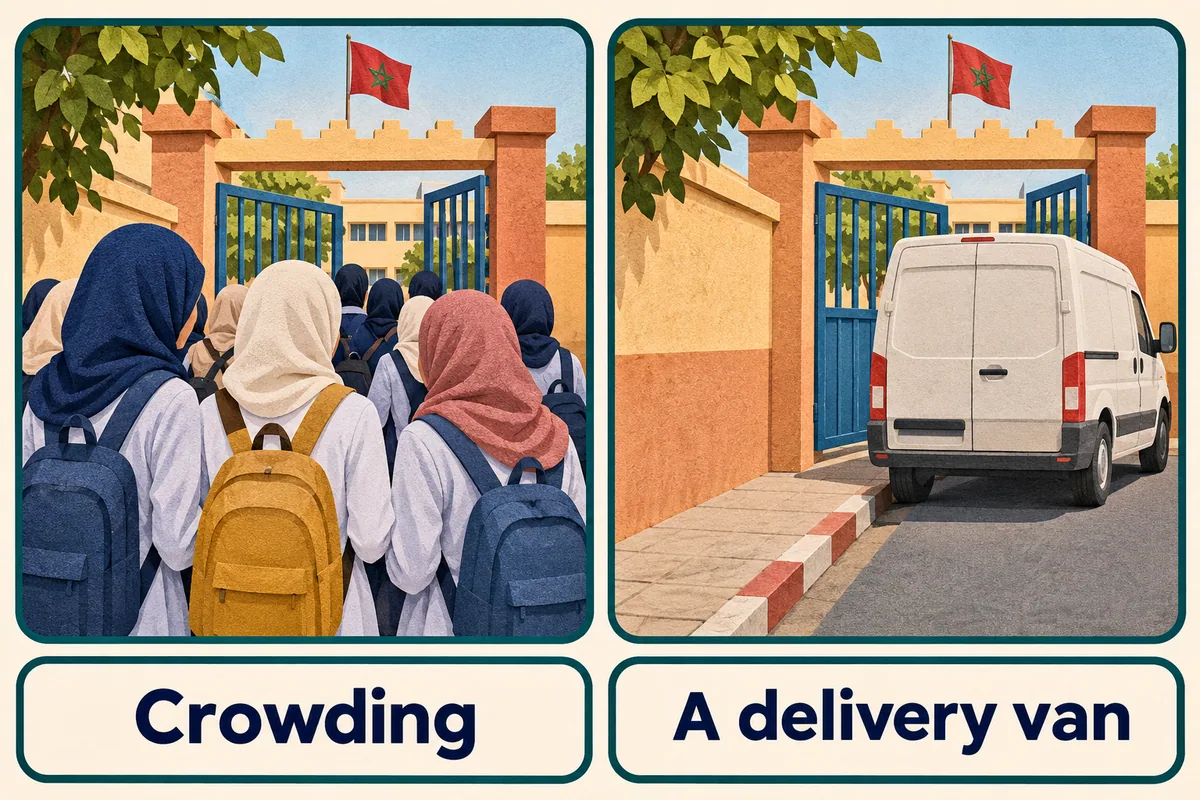
Find the difference between a plan and a finding
Opening a second gate is an early suggestion. Changing delivery times is the action that was tested. The smaller crowd on most days is a result. Keep those roles separate when completing a table or matching details to paragraphs.
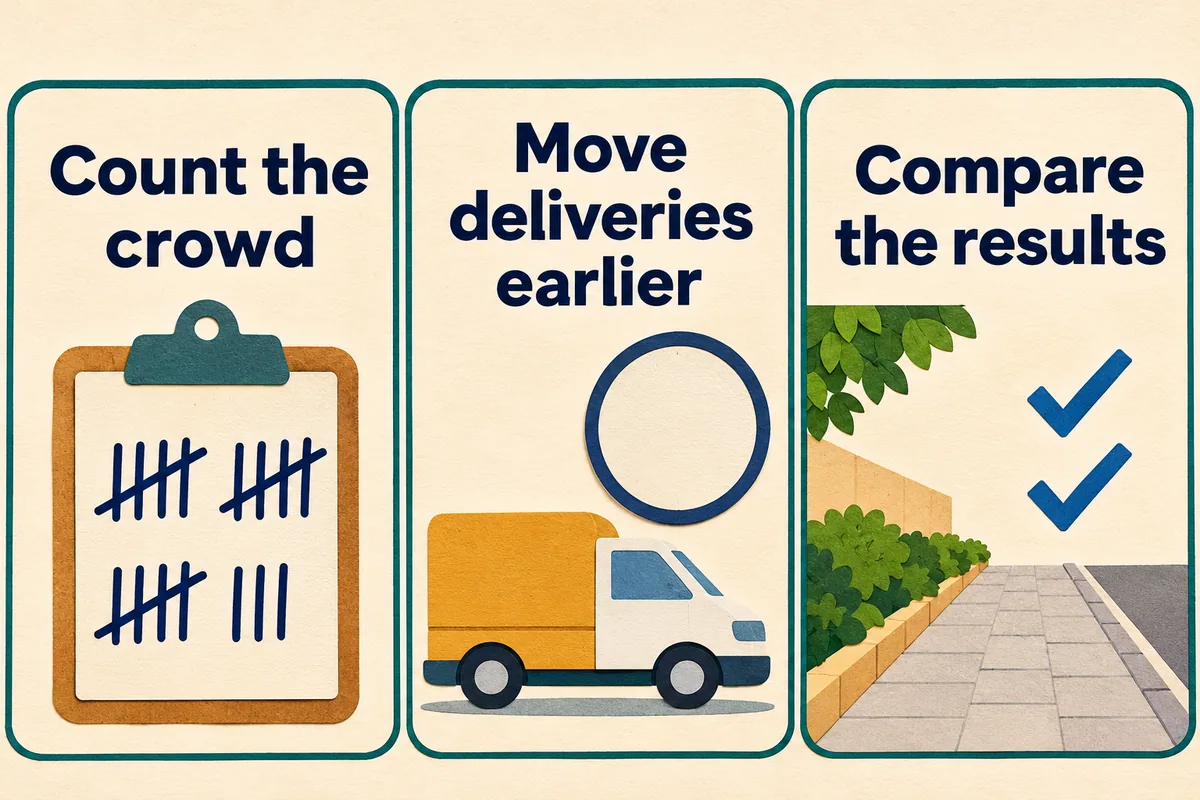
Answer with evidence from the passage
The author presents a limited improvement. The phrase « on most days » leaves room for exceptions. The dry weather limits what the council can say about the result in winter.
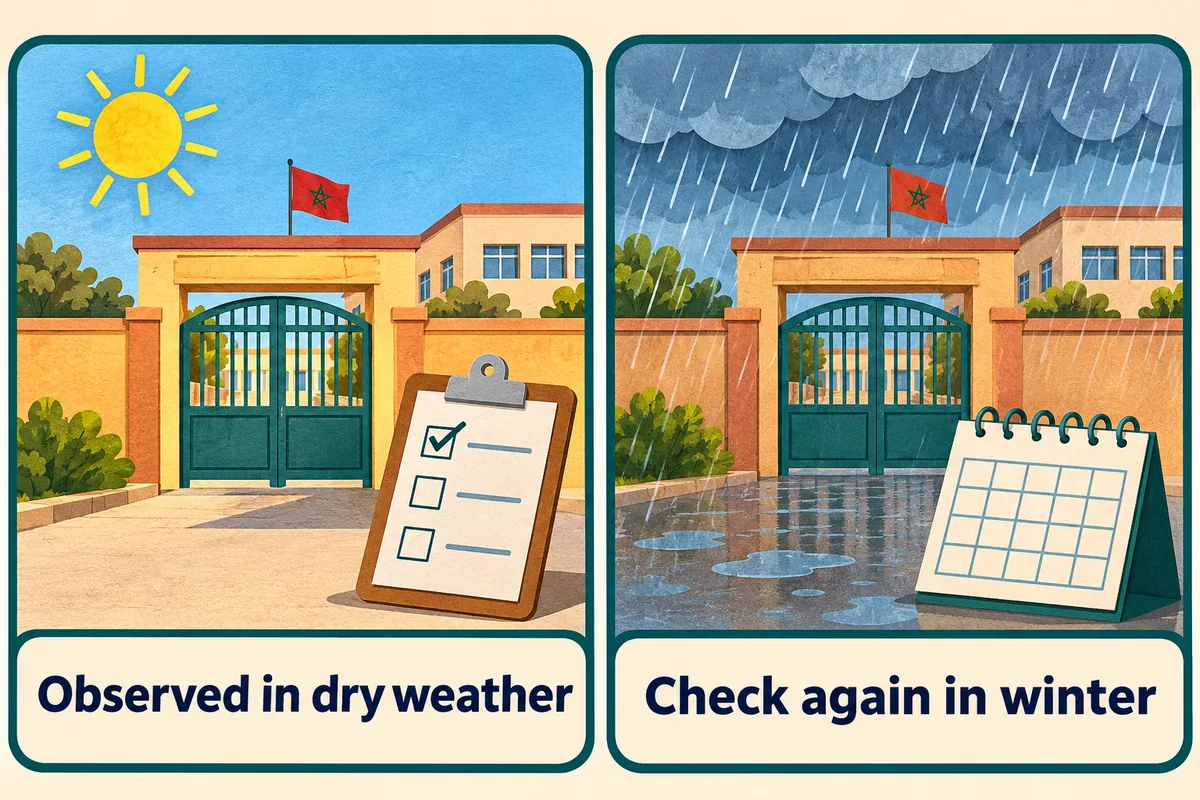
Worked examples: answering questions on A safer exit
A plan is not an action
True or false? « The council asked the school to open a second gate. »
- Scan for second gate: it appears in paragraph 1.
- Read carefully: « Some members wanted to ask the school to open a second gate immediately », but « The council agreed to observe the problem first. »
- Answer: False. The second gate was only an early suggestion. The change that was tested was earlier deliveries, as paragraph 3 explains.
Explaining a limitation
Why can the council say little about the situation in winter?
- Find the limitation in paragraph 4: « The trial took place during dry weather ».
- Think about what changes in winter: students may need shelter from the rain, so they may stay near the gate longer.
- Answer: « Because the trial took place in dry weather, so the council does not know how students behave when it rains. »
Sources and curriculum
- English Language Guidelines for Secondary Schools (Ministry of Education, 2007)
The 2nd Baccalaureate syllabus describes the ten themes, four skills and language structures. See printed pages 76–84.
- National Baccalaureate Exam Specifications (English, 2025)
Reproduction of the national framework for the reading, language and writing sections, including the science streams.
Frequently asked questions
What is the main idea of the active citizenship passage?
How does A safer exit show active citizenship?
Exercises with answers
4 exercises, from easy practice to challenges. Try each one yourself, then reveal the answer and explanation.
Exercise 1
EasyAnswer each question with a short phrase from the passage.
- In which city is the school?
- For how long did the volunteers count the students?
- When did the largest crowd appear?
- Who agreed to test the change?
- For how long was the change tested?
Answer and explanation
- Meknès.
- For one week.
- Right after the last lesson.
- The deputy head.
- For two weeks.
Exercise 2
Intermediate- Why did the council observe the gate before making a request?
- True or false? The council tested opening the second gate. Justify your answer.
- What does « It » in the last sentence refer to?
Answer and explanation
- Members disagreed on the solution and needed evidence about when and why the pavement became crowded.
- False. Paragraph 3 says the school tested a change to delivery times.
- The student council.
Exercise 3
IntermediateAnswer the questions.
- Find a word in paragraph 1 that means statements saying that something is wrong.
- Find a word in paragraph 3 that means companies that provide goods.
- Find a word in paragraph 4 that means a weakness or a limit.
- In « this would require more staff », what does this refer to?
- In « the group became smaller », which group does the writer mean?
Answer and explanation
- Complaints.
- Suppliers.
- Limitation.
- Opening a second gate immediately.
- The students waiting near the gate.
Exercise 4
ChallengeAnswer in complete sentences.
- Why were the volunteers surprised?
- What two actions did the school office take?
- Why does the council offer to share its counting sheet with the next council?
- In about 40 words, suggest a citizenship project for your school and explain how you would measure its results.
Answer and explanation
- Because the crowd became smaller within ten minutes, even on busy days.
- It phoned the drivers and put up a notice explaining why the entrance had to stay clear.
- So that the next council can repeat the same observations, for example in winter, and compare the results.
- One answer is « We could start a peer-tutoring club for first-year students. To measure its results, we would count how many students attend each week and compare their marks in the first and second semesters. »